


NAIL ART
Every nail art supply we stock in one place: more than 700 chrome powders, foils, stickers, sequins, dried flowers, rhinestones and art gels from LAVIS, LDS and A'DOR, plus the bases and brushes, with free shipping on qualifying orders.
Learn More About This Collection
How this nail art page is organised
Nail art is the part of the service menu that turns a plain colour set into something a client photographs. This page holds everything we file under nail art, roughly 800 listings, and it splits into two families. The first is decoration you place: chrome and aurora powders, transfer foils, stickers, sequins, dried flowers, rhinestones, charms and glitter. The second is art gel you paint or move: Pat Pat ombre palettes, crack gel, wave gel, marble ink, spider gel, emboss gel, poke gel and fine line art gels. Each section below explains what a category does, what it needs alongside it, and where its dedicated collection lives, so you can go straight to the right shelf.
Most items sell as single jars, boxes or sheets, with a smaller number of sets such as 6-grid kits and multi-colour gel sets. The filter beside the grid narrows by colour, availability, price and product type.
Chrome and aurora powders
Chrome powder is a finely milled pigment that gives a mirror, metallic or pearl finish. The range here covers chrome nail powder in three looks: LAVIS Chrome Classic for solid mirror colour, aurora powders that shift colour with the angle and the base underneath, and glass chrome for a sheer, clear shine. There are also 6-grid kits with 1 g of powder per grid and an SNS chrome set of 12 colours that ships with its own base and top.
The rule that matters: chrome needs the right surface. Rub it onto a cured, tack-free chrome base or no-wipe top coat with a sponge or silicone applicator, dust off the excess with a soft brush, then seal with a glossy top coat and cure. LAVIS Chrome Base Gel is made for this step. Over a black base the shift is bold; over white or milky it turns to a soft pearl; over pastels it reads airy. Sealed and capped, chrome lasts two to three weeks or more.
Foils, stickers and transfer designs
Nail foil is a thin printed or metallic film that transfers onto the nail. It works with a foil transfer gel such as LAVIS Foil Transfer Gel:
- Apply and cure your gel colour.
- Brush on a thin, even layer of foil transfer gel and cure it, usually 30 to 60 seconds depending on the lamp, so it turns tacky.
- Press the foil on pattern side up and rub it firmly, especially at the edges and curves.
- Peel the film away. No cure is needed after the foil itself.
- Seal with a no-wipe gel top coat and cap the free edge.
Regular glue or uncured top coat does not give the same clean transfer, which is why the transfer gel sits on the same shelf. For faster pattern work there are nail stickers: flat decals, hollow stickers and raised 3D stickers, including butterfly designs in several colourways.
Sequins, glitter, dried flowers and rhinestones
Sequins and glitter
Glitter is fine or ultra-fine particles; nail sequins are larger shaped flakes such as hearts, stars, butterflies and leaves, so they make a statement accent rather than an all-over shimmer. To set them, cure your colour, apply a layer of top coat or base gel without curing, place the pieces with a silicone tool, tweezers or a dotting tool, cure, then seal with another top coat. For a smooth, flat finish, encapsulate them in builder gel. Loose and holographic glitters, including LDS fine holographic jars, live in nail art glitter.
Dried flowers
Real dried flowers come boxed by colour story, with names such as Summer Glow, Spring Blossom and Autumn Hedgerow, plus mixed boxes. Browse them in dried flowers.
Rhinestones and charms
The rhinestone collection holds flatback and sharp-diamond glass stones in 6-grid packs, wax dotting pens for picking them up, and the gels that hold them. LAVIS and LDS both make a 15 ml rhinestone gel; LDS Rhinestone Gel is a thick, clear, no-wipe gel that both secures stones and sculpts small 3D details; with proper curing it keeps them in place for up to three to four weeks. Classy Nail Art rhinestone glue gel and a no-wipe gem sealer gel cover the same job. Beads, half pearls and charms are grouped in nail charms and beads.
Art gels you paint, drag and sculpt
LAVIS Pat Pat Gel
Thick, highly pigmented ombre palettes that blend as you work. Paint one colour from the cuticle to about a third of the nail, a second from two thirds to the tip, then pat the transition with an ombre brush or sponge and cure. It suits newer techs because the gradient forms without advanced brushwork. The range includes the Ver 2 palettes.
LAVIS Crack Gel
A gel that splits as it sets to reveal the colour underneath. A dedicated crack gel base, in gold or silver glitter, gives the strongest contrast, though cat eye, glitter or solid gel bases also work. Cure the base fully, apply a thin layer of crack gel, let it set, cure, then top coat. The longer it sets before curing, the more it cracks. It only works within a gel system, not over regular polish.
LAVIS Wave Gel
Wave gel creates sea foam, bubble and ripple textures. It reacts only with uncured glossy top coat: lay down an even top coat, do not cure it, touch the wave gel in and glide the brush through, let it bloom for about 5 to 20 seconds, then cure as soon as the look is right. Seal it with a top coat afterwards so the effect stays clear. If it will not spread, the top coat underneath has been cured.
A'DOR marble ink, spider gel and poke gel
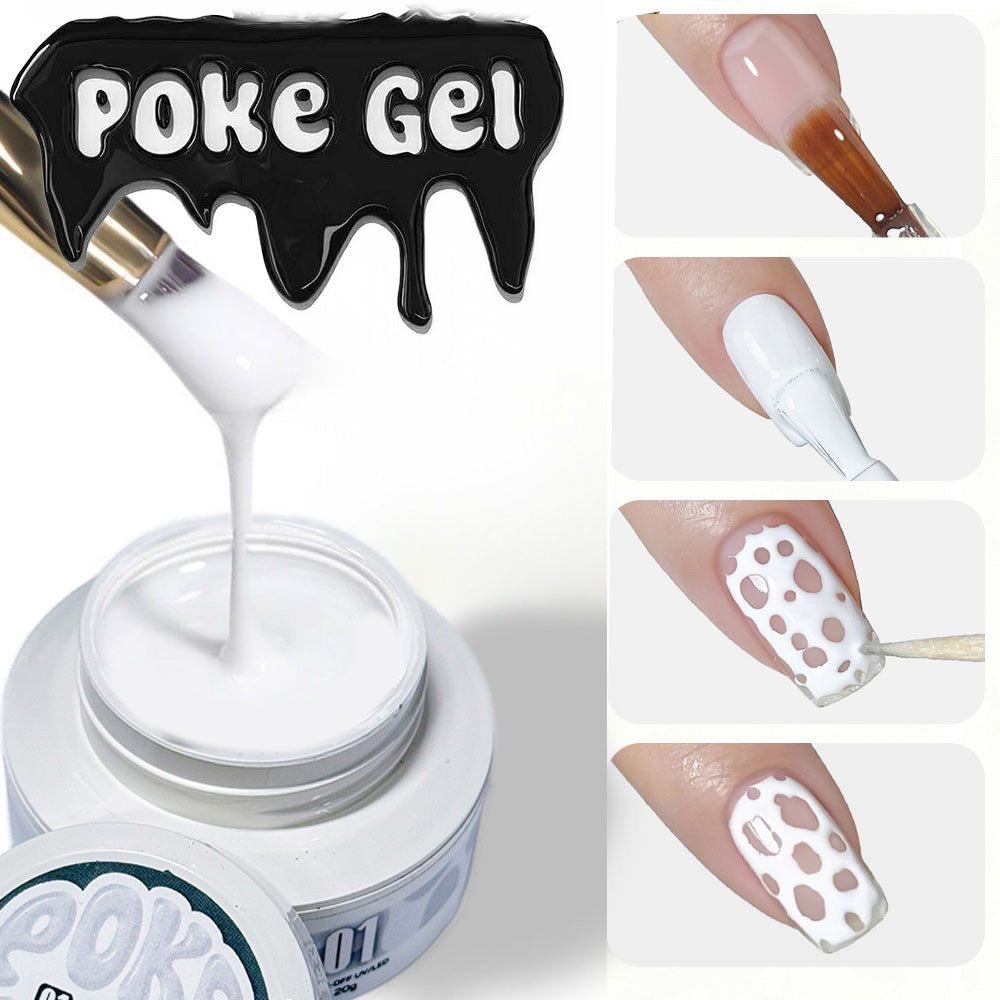
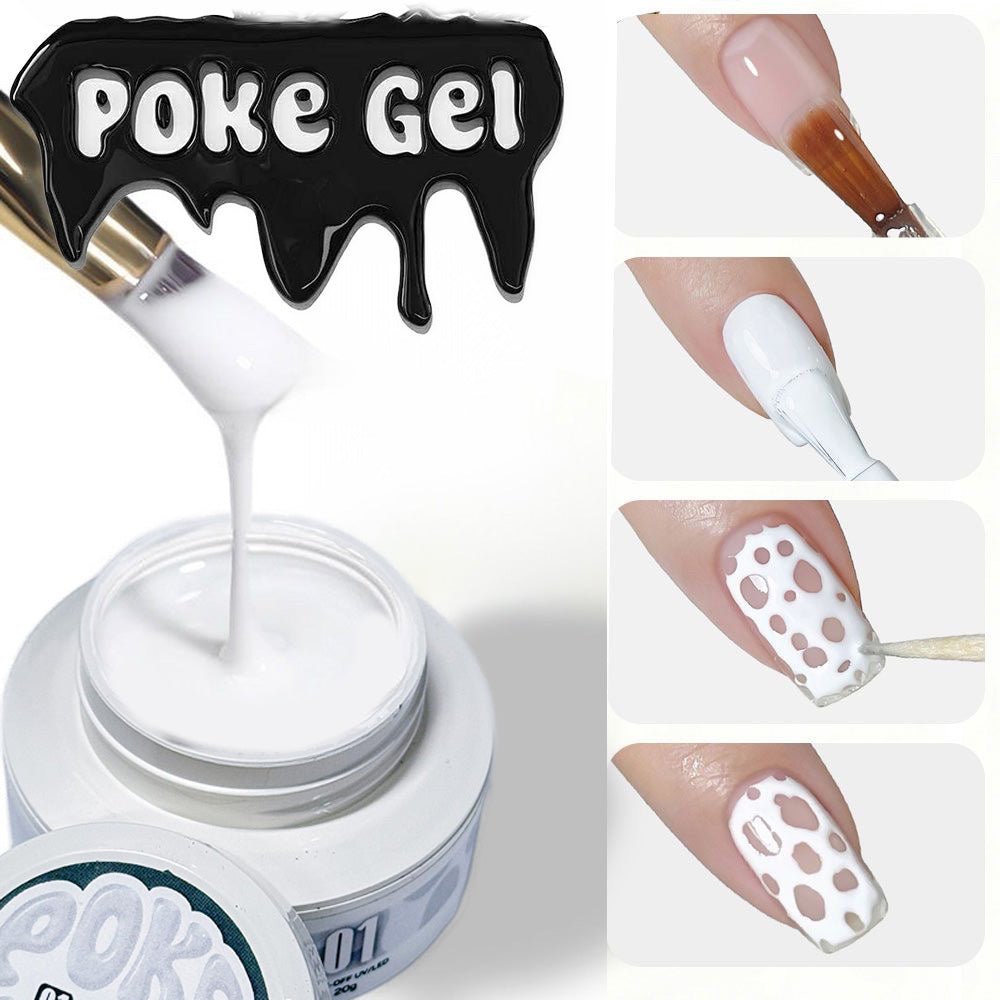
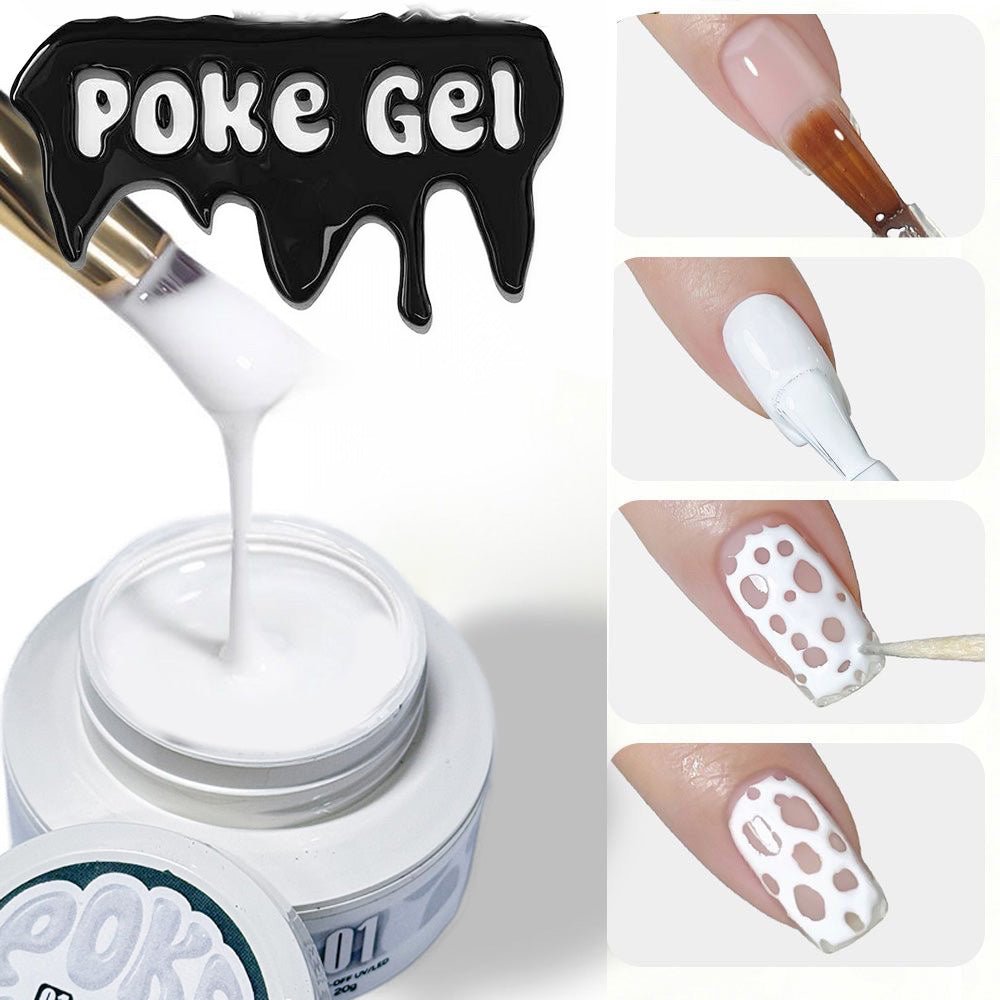
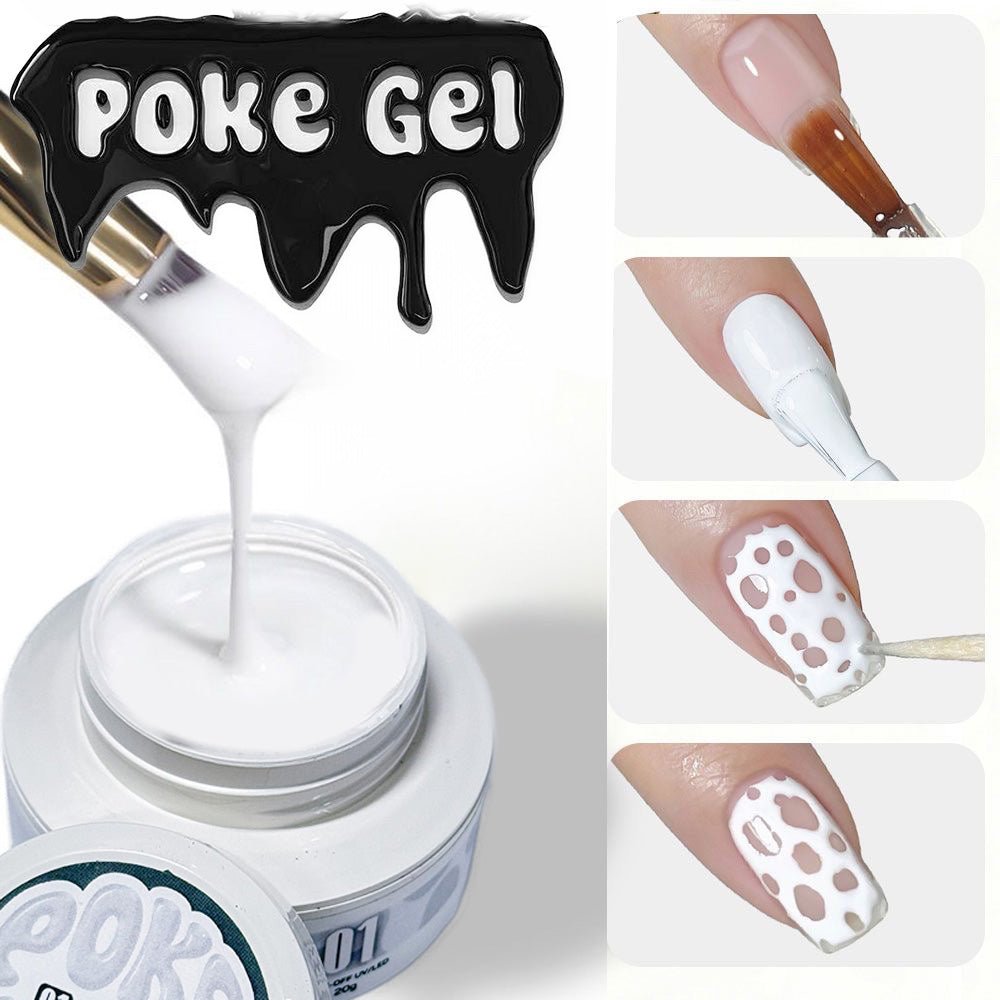
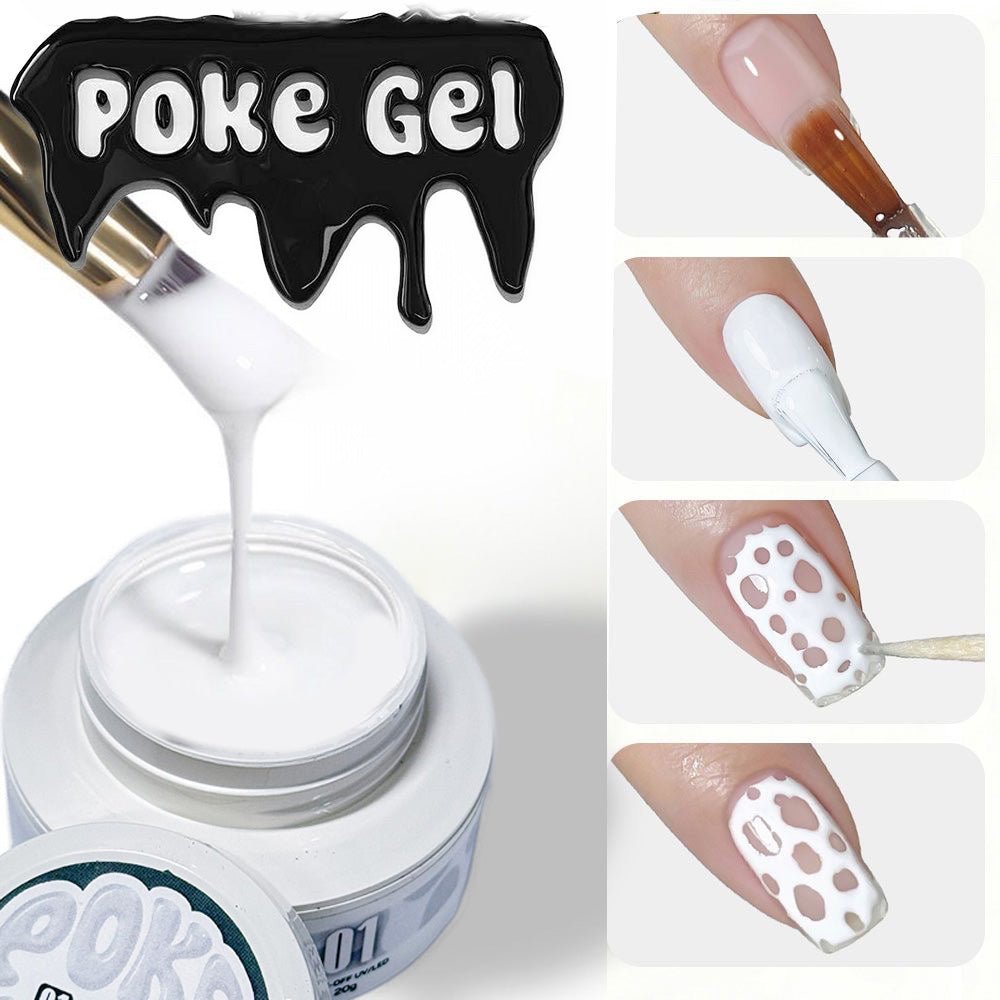
A'DOR Marble Ink comes in 10 ml bottles in metallics plus black, white and pearl white. A few drops on a wet gel layer, moved with a brush or a light breath, form natural veining, so it is easy for beginners. A'DOR Mirror Spider Gel stretches into fine mirror-finish threads for webs, curves and abstract lines; it shows best over a dark base. A'DOR Poke Gel adds raised, burst-style 3D texture.
Emboss gel and line art gels
LAVIS Emboss Gel is a thick 5 g gel that holds its shape, so you can build raised flowers and details with a dotting tool or small brush. A clear non-sticky builder underneath makes the 3D design stand out. For outlines, French lines and geometric work, the line art gels include LDS Platinum line art colours and LDS metallic silver gels; they can also act as a base for stones or foil.
Which technique fits which client
| Technique | Look | What it needs with it | Skill level |
|---|---|---|---|
| Chrome or aurora powder | Mirror, metallic or colour-shift | Chrome base or no-wipe top, applicator, top coat | Beginner friendly |
| Foil transfer | Printed or metallic pattern | Foil transfer gel, top coat | Beginner friendly |
| Pat Pat ombre | Soft gradient | Ombre brush or sponge | Beginner to intermediate |
| Marble ink | Natural veining | Wet gel layer, brush | Beginner friendly |
| Crack gel | Cracked mosaic | Cured gel base, ideally gold or silver crack base | Intermediate |
| Wave gel | Sea foam and ripples | Uncured glossy top coat | Intermediate |
| Spider gel | Fine mirror threads | Dark base, top coat | Intermediate |
| Emboss gel, rhinestones | Raised 3D detail | Clear non-sticky builder or rhinestone gel | Intermediate to advanced |
What to stock next to each art product
Most nail art fails because the partner product is missing, not because of the art itself. When you add a technique to the menu, put its companion on the same shelf:
- Chrome powder: a chrome base gel. Without it the powder will not grip.
- Pat Pat Gel: a glossy top coat such as LAVIS Diamond Top to protect the gradient, and a clear non-sticky builder if you want a see-through base under the ombre.
- Crack gel: a gold or silver crack gel base, because the cracks look best over metallic glitter.
- Wave gel: a glossy no-wipe top coat, both underneath to react with and on top to seal.
- Spider gel: a dark colour gel for the base and a top coat to finish.
- Emboss gel: a clear non-sticky builder as the base so the raised design reads clearly.
Brushes and small tools
Fine art depends on the tool as much as the gel. Nail art brushes include LDS ombre brushes and brush kits and LAVIS liner brushes, among them a retractable 10 mm liner for travel. Dotting tools, including a 6-in-1 dotting disc and a dual-ended flower dotting pen, and colour mixing palettes round out the station. A dotting tool is also the easiest way to place emboss gel petals and small stones.
Planning nail art by season
- January to February: crack gel over red and gold for Lunar New Year and Valentine's sets.
- March to April: Pat Pat palettes in pastels.
- May to June: aurora chrome over brights.
- July to August: wave gel and marble ink for beach and tropical designs.
- September to October: Pat Pat in browns and reds for moody fall gradients.
- November to December: glitter and classic chrome for holiday parties.
Keeping nail art on the nail
- Seal every decoration, whether chrome, foil, sequins or flakes, with a gel top coat and cap the free edge.
- Apply thin, even layers of transfer gel and top coat; uneven layers cause patchy foil and dull chrome.
- Crack gel designs come off like standard gel nails: soak in acetone and buff away gently.
- Give crack gel a fully cured base; an uncured or non-gel base is the usual reason it does not crack.
Related reads


LAVIS Pat Pat Gel Ver 2 - P22 Gilded Veil | Sponge Ombre Painting Gel
Choose your option


SNS Chrome Powder - Set 12 Colors with SNS Chrome Base & Chrome Top
Choose your option


Butterfly Nail Art Stickers MO-872 - Green
Choose your option


Butterfly Nail Art Stickers MO-871 - Blue
Choose your option


Butterfly Nail Art Stickers MO-870 - Multicolor
Choose your option


Flower Dotting Pen - Dual-Ended Nail Art Pen with Pink Glitter Handle
Choose your option


Nail Dotting Tool 6 in 1 - Acrylic Disc with Stainless Steel Dotting Heads
Choose your option


Nail Liquid Cup with Brush Rest - Crystal Glass Pink
Choose your option


Nail Liquid Cup with Brush Rest - Crystal Glass AB
Choose your option

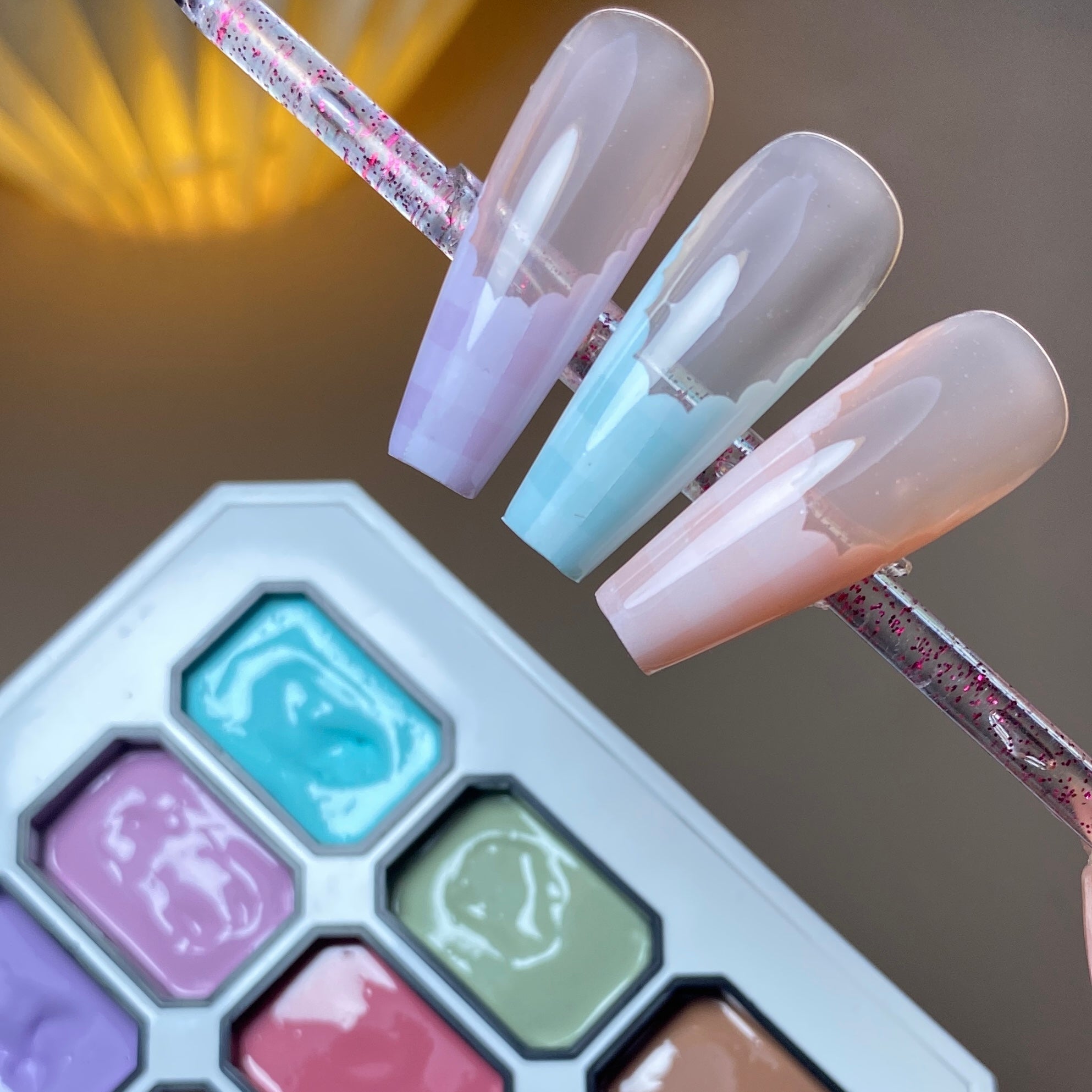
LAVIS Pat Pat Gel - Ombre Gel Palette (Glitter Envy)
Choose your option

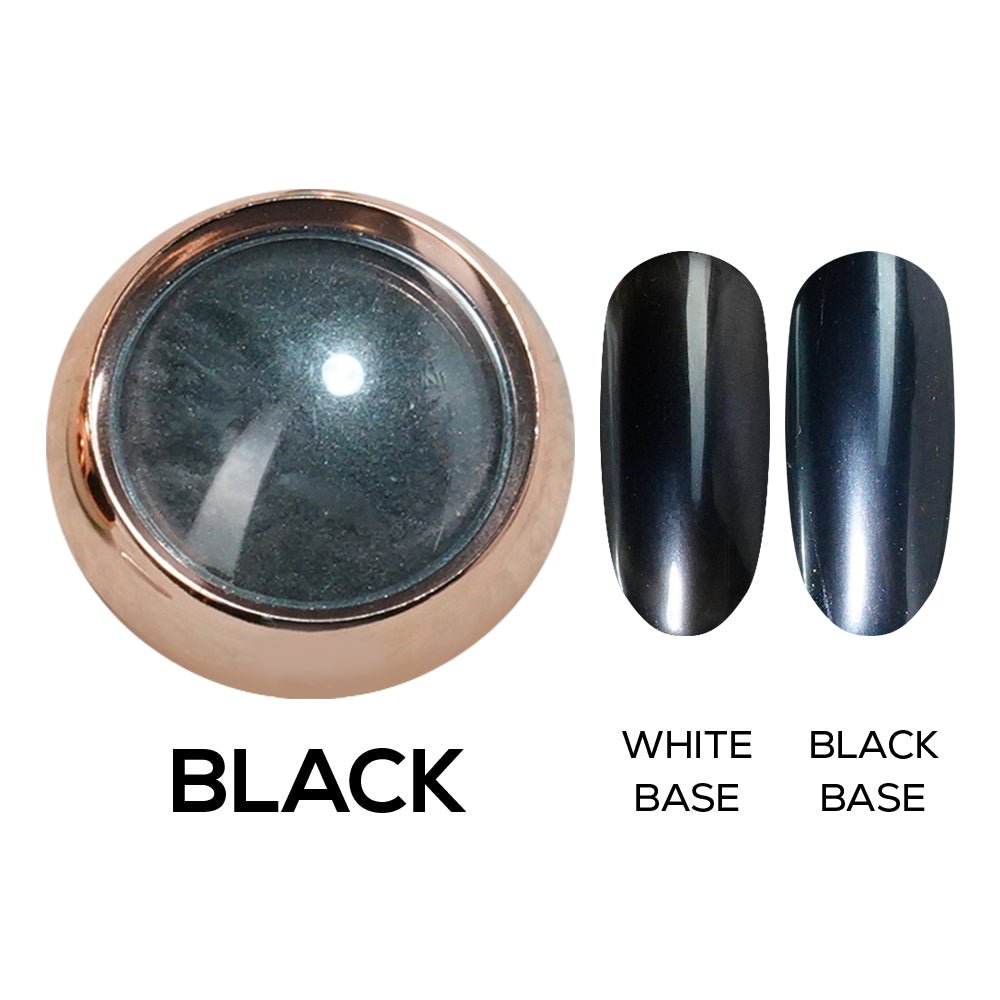
Aurora Chrome Nail Powder — BLACK | Iridescent Multi-Shift
Choose your option


LAVIS Chrome Classic — Red Black — Solid Mirror Pigment | 0.5g
Choose your option


Nail Transfer Foil - Each Small Box
Choose your option